

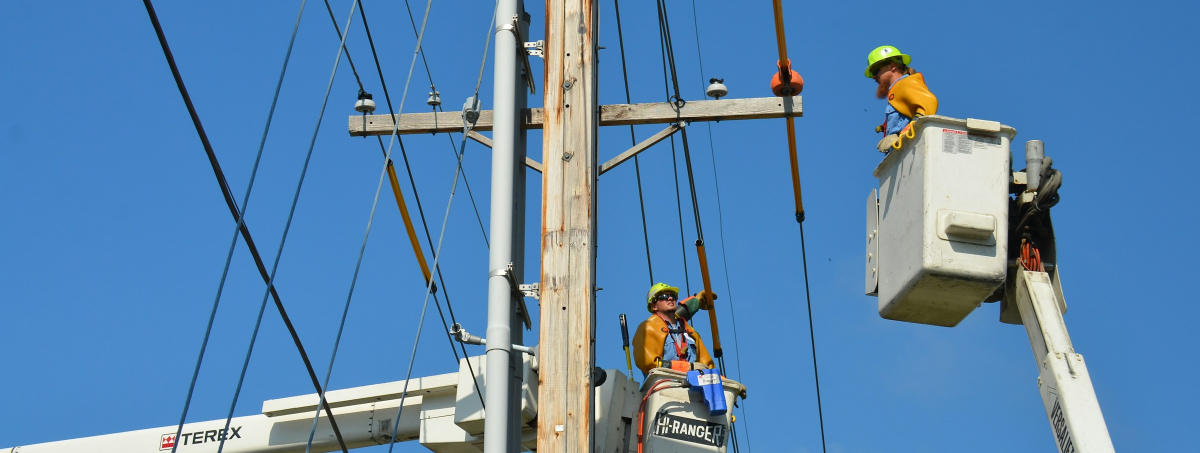
Ireland’s solar energy sector is growing at a pace that is creating a significant workforce challenge. The inaugural Renewable Energy Workforce and Skills Report, The Experience Gap, from Solar Ireland and Collins McNicholas gathered data from 50 organisations. Its central finding is clear: engineers and project managers are among the hardest professionals to recruit, and practical experience is the defining gap.
For business energy leaders, this report is a strategic planning document as much as a workforce study. The renewable energy sector employs approximately 11,500 people in Ireland. Almost 90% of employers expect workforce requirements to increase over the next six to eighteen months, rising to over 92% looking two to four years ahead. The people challenge will become a brake on delivery if not addressed now.
The experience gap is the defining barrier. Almost three-quarters, 74%, of employers identify lack of practical experience as the primary obstacle, compared with 60% who cite skills shortages generally. Ronan Power, CEO of Solar Ireland, noted that behind every solar energy project are people who designed, planned and built it. The energy transition needs more of those people. Ireland’s solar capacity has grown almost 300% since 2023 and is on course to exceed 3.3GW by year-end.
Planning is an acute pressure point. Some 30% of employers found environmental and planning specialists difficult to recruit. The report notes that planning is a people challenge as much as a policy one. The renewable energy sector needs planners, ecologists, and EIAR specialists who can navigate Ireland’s planning and grid connection processes, and competition is intensifying across solar, wind, and storage pipelines.
The training landscape is not keeping pace. Only 40% of employers agree current pathways meet their needs, 42% say they sometimes do, and 17% say they rarely do. The energy transition changes technology and regulation quickly, and the skills pipeline must evolve at the same speed. The report highlights that diverse pathways, from apprenticeships to careers in finance, law, and construction, are valid routes into renewable energy.
Three priorities stand out for C-suite leaders. First, treat talent pipeline investment as a core capital decision, given that 92% of renewable energy employers expect workforce growth over the next four years. Second, engage with universities, institutes of technology, and apprenticeship providers to co-design programmes that deliver practical experience. Third, position your organisation as an employer of clean energy careers before competition intensifies as Ireland’s onshore wind build-out accelerates.
Ireland’s renewable energy workforce is a strategic asset in formation. The Solar Ireland report confirms that the talent, the education system, and the industry ambition all exist. Business energy leaders who invest in bridging learning and experience will attract the talent they need and accelerate Ireland’s clean energy future.






.png)

