

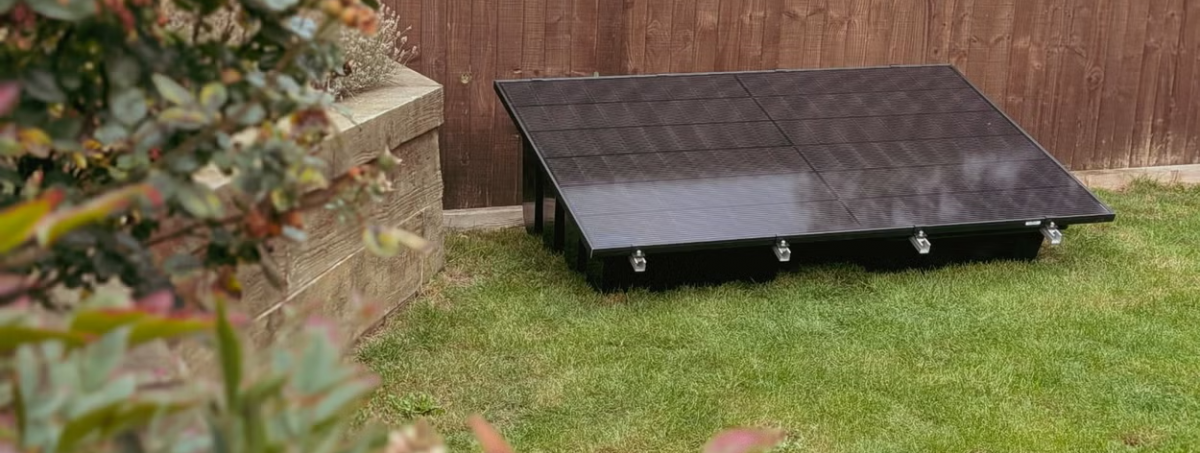
Octopus Energy has launched plug-in solar kits for small businesses across Great Britain, according to a press release dated 16 November reported by the Independent, a launch that matters to small business energy buyers and installers because it targets premises without a suitable roof or an electrician. According to Octopus, the household version sold out within two weeks of going on sale on 28 August and has been restocked twice in less than a month.
Octopus Energy is a UK energy supplier that says it was the first major supplier to sell plug-in solar to households, according to its press release, with the business offer run by Octopus Energy for Business.
YouGov is the market research firm whose survey of 1,034 UK small and medium-sized business decision-makers, cited by Octopus, found that 62% recognise solar’s potential to reduce electricity costs but only 18% have installed it, according to pv magazine.
According to pv magazine and Envirotec, kits start at £450, with one- or two-panel setups, and the 460W panels can be wall-mounted or free-standing and tracked in the Octopus app.
Zoisa North-Bond, CEO of Octopus Energy for Business, said in the press release: “Energy bills are having a big impact on a small business’ bottom line.” Octopus estimates in the release that a high street café could save up to 23% a year on electricity bills, and told BM Magazine that a two-panel business on a smart export tariff could pay back the kit in three years.
Envirotec reported that plug-in solar became legal in Great Britain on 27 August and that Octopus plans to add a plug-in battery, the Nook Cube, from the first quarter of 2027.
Martin McCluskey, minister for local energy and jobs, said thousands of plug-in panels had been registered since the law changed, according to Envirotec.
Germany passed one million registered plug-in balcony solar installations by mid-2025, according to Avanza Energy.
The Balcony Solar Guide noted that the UK’s plug-in solar rules exclude battery storage entirely.
For the sector, a supplier extending a sell-out household product to cafés, shops and offices shows plug-in solar becoming a retail energy product for tenants and small firms that cannot fit rooftop systems.







.png)

