

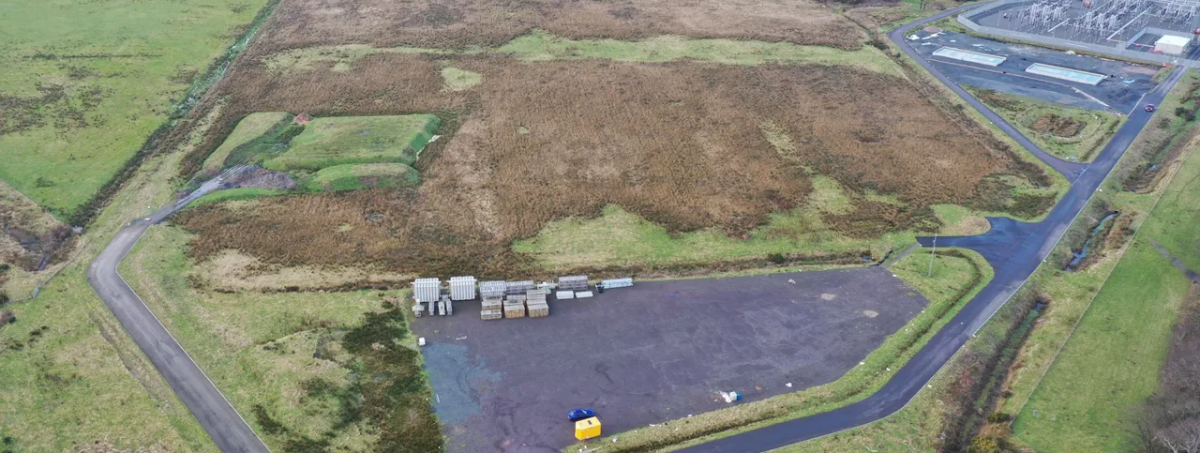
Revera Energy has closed project financing and issued notice to proceed on its 400MW/800MWh Hunterston battery energy storage system in North Ayrshire, a milestone that matters because it shows continued bank appetite for large transmission-connected battery projects even as grid bottlenecks constrain how much Scottish wind power can reach demand centres further south. Construction is targeting commercial operations in the third quarter of 2028.
Revera Energy is an independent power producer backed by global investor Carlyle, building three battery storage projects in Scotland totalling 1GW/2GWh and £500 million of investment, including the Windyhill and Hunterston sites.
Santander, Barclays, Commonwealth Bank of Australia and NatWest provided non-recourse senior debt financing, while Sungrow will supply the battery system and a long-term service agreement, with OCU Group as balance of plant contractor. Danske Commodities and bp will provide trading and optimisation services, with bp offering a long-term tolling structure and Danske a long-term floor arrangement, echoing its earlier floor deal on Revera's Windyhill site.
Scottish First Minister John Swinney, speaking when Revera took its final investment decision in June, called the commitment a vote of confidence in this country's skills, economic policies and energy future that demonstrates that Scotland is an internationally competitive destination for clean energy infrastructure investment.
Santander, Barclays, Commonwealth Bank of Australia and NatWest provided senior debt financing for the project.
Hunterston sits close to the B6 boundary, the transmission pinch point between southern Scotland and northern England that caps exports at roughly 6.7GW and drove UK wind curtailment costs past £1.5 billion in 2025, a figure NESO projects could reach £8 billion annually by 2030 without intervention.
For the sector, battery projects sited deliberately near constraint boundaries are becoming the preferred commercial response to curtailment, banked by major lenders well before storage policy reform catches up with the scale of the problem.
Source: Solar Power Portal / Tim Harper






.png)

