

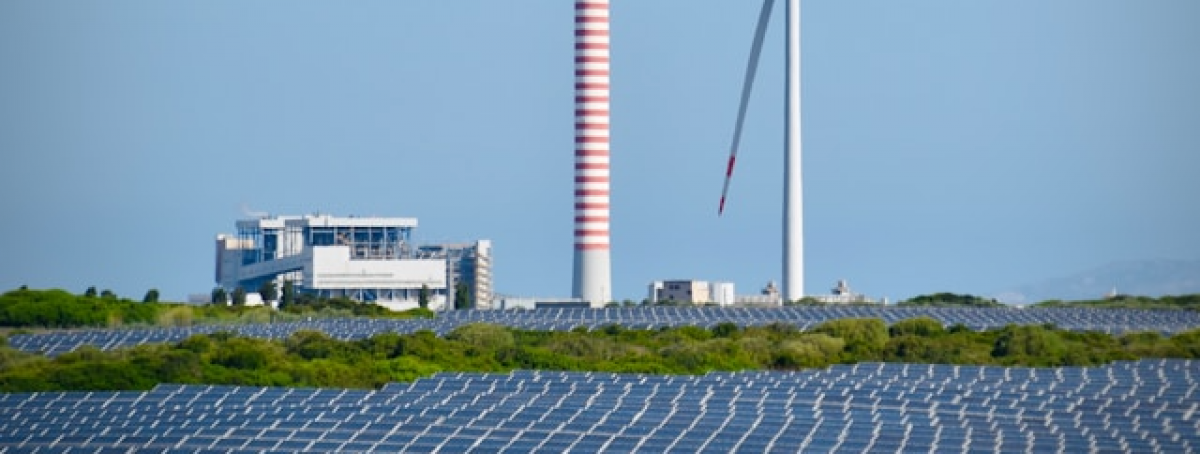
Ireland’s business energy sector is entering a period of genuine momentum. KPMG Ireland, working with Red C, has published its third annual survey of Irish public attitudes to renewable energy, low-carbon behaviour, electric vehicles, and climate change. Record solar and onshore wind milestones were achieved in 2025, and the revised National Development Plan has committed €275 billion to clean energy, grid, and transport. The investment environment has rarely been stronger.
The evidence points firmly towards opportunity. Organisations that align strategies with Ireland’s transition now will secure lasting competitive advantage. Three developments underpin this view: household demand for low-carbon solutions is growing; electric vehicle adoption is accelerating beyond forecasts; and government investment is rewarding those who move first.
Consumer appetite for energy efficiency is a signal that forward-looking organisations cannot ignore. Eighty-one per cent of Irish adults are willing to adopt home efficiency measures, and 52% plan to invest in insulation, solar panels, or low-carbon heating. Budget 2026 has matched this with a record €558 million for upgrades, supported by SEAI grants of up to €3,800 per household. For energy providers and green financiers, this is a well-funded market ready for scaled delivery.
Electric vehicle adoption is outpacing expectations. EV ownership among Irish adults more than doubled in a year, rising from 3% to 8%, and new electric car registrations grew 35.1% to 23,601 units in 2025, according to the Society of the Irish Motor Industry. The National Development Plan has allocated €24.3 billion to transport, including a national roll-out of charging hubs. Businesses investing in fleet electrification and charging infrastructure now will be well ahead of both regulation and rising consumer demand.
Public expectations of business leadership are rising in step with policy ambition. Half of Irish adults identify government as the primary driver of the energy transition, with energy retailers and distributors expected to follow. Among 18 to 24-year-olds, 47% are open to purchasing an electric or hybrid vehicle, making them a commercially valuable segment for energy businesses.
C-suite leaders should treat 2026 as a year for strategic acceleration. Three priorities stand out. First, develop retrofit financing products that bridge the affordability gap for households and landlords, capturing the €558 million in state-backed demand. Second, build commercial EV charging infrastructure ahead of the NDP’s 2030 targets. Third, publish transparent communications that connect energy services to measurable savings and emissions reductions, building the trust that policy tailwinds alone cannot guarantee.
Ireland’s energy transition is not a risk to manage but an opportunity to capture. Public demand is real, policy investment is substantial, and the regulatory direction is set. Organisations that lead with purpose in 2026 will define Ireland’s energy market for the decade ahead. The time to act is now.
(The views expressed by the writer are his/her own and do not necessarily reflect the views or positions of BusinessRiver.)




.png)

