

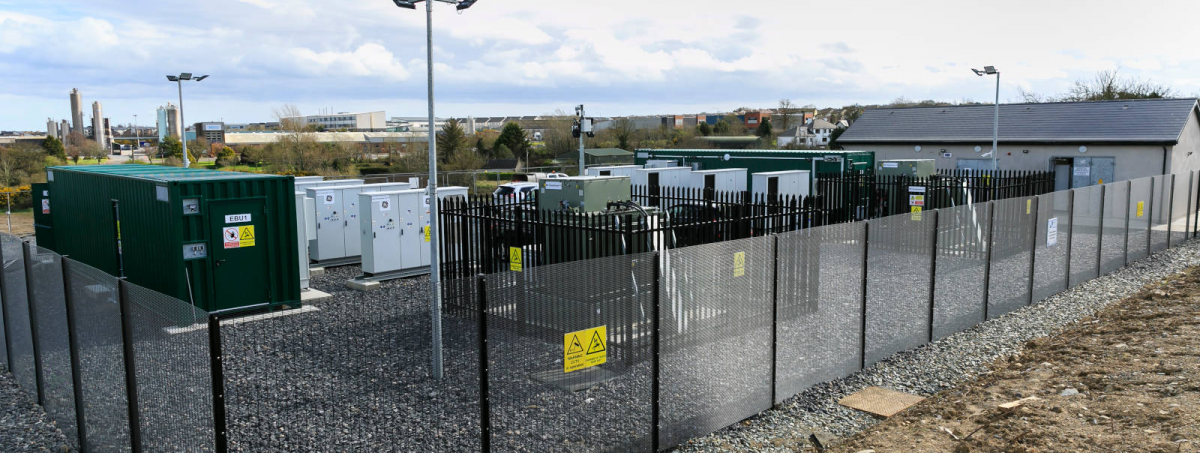
Ireland’s approach to long duration energy storage has drawn criticism after EirGrid set its proposed minimum procurement at 201 MW, well under the Government’s 500 MW ambition for 2030. Energy Storage Ireland acknowledged the consultation as an important step but warned that the reduced target risks slowing progress at a time when storage is becoming essential for system flexibility and renewable integration.
The organisation stressed that the 201 MW figure should not become the ceiling, noting that a clear pathway to the full 500 MW is needed to support grid stability and decarbonisation. Contract design is also emerging as a key concern. EirGrid’s proposed 10 year contract length falls short of international norms, where 15 year terms are more common. Industry voices argue that shorter contracts may weaken investor confidence in technologies that require significant upfront capital and long term revenue certainty.
The consultation also sets technical thresholds that could narrow market participation. Long duration storage is defined as systems providing at least four hours of output with a minimum 75 percent round trip efficiency. This may exclude technologies such as thermal storage that could still contribute valuable flexibility.
Even with these issues, Ireland has made progress in enabling storage participation in the energy market. Recent updates to scheduling and dispatch rules now allow battery storage systems to operate fully within the real time market, giving operators more visibility and improving grid efficiency. Analysts note that wider integration of storage will help reduce consumer costs, support renewable deployment and strengthen energy security.
Long duration storage remains central to reducing curtailment, maintaining stability and supporting Ireland’s climate targets. The final procurement design will influence how quickly the sector scales and how resilient the energy system becomes.
Dive into the full article for deeper insights into the policy decisions ahead.







.png)

