

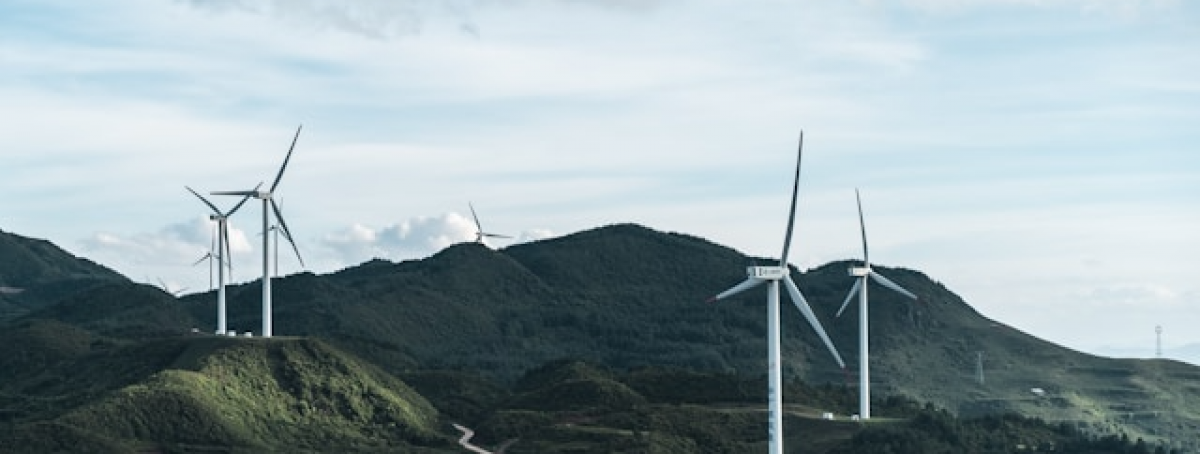
Ireland’s renewable energy infrastructure is generating more clean power than the grid can absorb, and the business case for investment has never been clearer. A sectoral review by the Climate Change Advisory Council finds that 10% of available renewable electricity was wasted in 2025 due to grid constraints, the highest level since records began. The council valued this at €523 million in wind energy that could have delivered cleaner, cheaper electricity to Irish homes and businesses.
The CCAC report makes a compelling case that Ireland’s clean energy challenge is one of delivery speed, not ambition or resources. Three findings give business energy leaders reason to act: electricity emissions fell 8.9% in 2025, the third consecutive annual decline; the grid became coal-free in June 2025; and the commercial opportunity from grid and storage investment is now quantified at hundreds of millions of euros.
The cost of underinvestment is measurable. Only 0.8 gigawatts of new wind and solar were added in 2025, far below the 2 gigawatts needed annually to meet 2030 Climate Action Plan targets. Net electricity imports now account for 17.3% of total supply, and Ireland has the highest household electricity prices in the EU. CCAC chair Alex White noted every year of delay leaves Ireland more exposed to fossil fuels, volatile markets, and avoidable costs.
Storm Éowyn in January 2025 underlined the resilience stakes, leaving hundreds of thousands without power. Fossil fuel subsidies amounted to €4.7 billion of taxpayers’ money in 2024. Business energy leaders have a real opportunity to close this infrastructure gap through investment in grid assets, battery storage, and flexible demand technologies.
The pathway forward is well-defined. The CCAC calls for prioritising critical grid projects, accelerating renewable planning, and investing in storage that absorbs surplus generation rather than curtailing it. Battery storage, demand response, and smart grid technologies represent immediate commercial opportunities for businesses positioned to deliver what Ireland needs. The Government’s LEAP framework and SEAI large energy user schemes both support this direction.
Three priorities stand out for C-suite leaders. First, invest in battery storage and grid infrastructure to capture the €523 million in surplus renewable generation currently wasted. Second, engage with planning processes to accelerate renewable connections, given only 0.8GW of the required 2GW annual target was achieved in 2025. Third, develop demand response products that shift consumption to peak renewable periods, allowing businesses to benefit from clean power already on the grid.
Ireland’s electricity system has the ambition and legal framework to succeed. The challenge is delivery. Organisations that invest in grid infrastructure, storage, and demand flexibility the Climate Change Advisory Council identifies as critical will unlock €523 million in wasted renewable value and lead Ireland’s energy sector through its most consequential decade.
(The views expressed by the writer are his/her own and do not necessarily reflect the views or positions of BusinessRiver.)







.png)

