

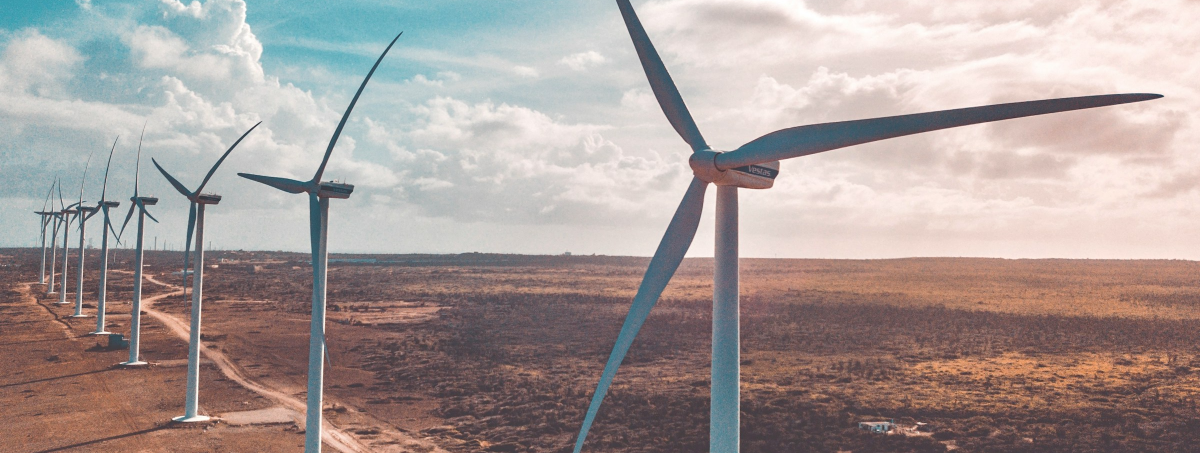
Ireland’s wind energy sector is generating record volumes of electricity while exposing the single most costly constraint on the country’s energy transition. New analysis from Wind Energy Ireland, based on EirGrid figures, shows that 15% of Ireland’s wind generation was lost in the first half of 2026 because the grid could not carry all the power produced. That represents enough electricity to power 667,000 homes, equivalent to every household in Dublin, Westmeath, and Wicklow combined.
For business energy leaders, this is both a warning and a clear commercial opportunity. Three dimensions stand out: the scale of renewable energy generation being lost annually; the direct impact on wholesale electricity prices; and the investable pipeline of grid, storage, and flexibility solutions that the market now demands.
The wind energy data carries a direct financial message. On high-wind days in early 2026, wholesale electricity prices averaged €94 per megawatt hour. On low-wind days, they doubled to €179 per megawatt hour as the system relied on imported fossil fuels. Wind Energy Ireland Director of External Affairs Justin Moran noted that every unit of clean energy lost is a missed opportunity to cut reliance on imported fuels and lower electricity costs for Irish businesses and consumers. With dispatch-down rising by approximately 1% per year, the investment case has never been stronger.
Ireland’s renewable energy capacity is growing faster than its grid. Wind farms set a new generation record in June 2026, up nearly 5% on the previous June record, yet 15% of H1 generation was still lost. The grid operates under an SNSP limit of 75%, capping non-synchronous generation at any moment to maintain system stability. Increasing this limit alongside grid investment is central to resolving the constraint.
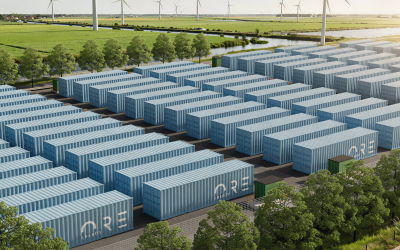
The solution set is well defined. Ireland has committed €18.9 billion to grid investment between 2026 and 2030. Energy storage, including battery systems, is a key technology for capturing excess wind generation during high-output periods. The 700MW Celtic Interconnector to France is due at end of 2026, adding flexibility for managing variable wind output.
Three priorities stand out for C-suite leaders. First, develop battery energy storage propositions targeting curtailment directly, using the high-wind and low-wind price differential to build compelling investment cases. Second, engage with EirGrid’s grid services market, where the transition from DS3 to FASS creates new revenue streams for clean energy flexibility assets. Third, position demand response products that shift commercial consumption to high-wind, low-price periods.
Ireland’s wind resource is at record output. The 15% H1 loss rate is a challenge of infrastructure, and it is being met with €18.9 billion in committed investment. Business energy leaders who build the storage, flexibility, and grid service solutions to close the gap will lead Ireland’s energy transition.







.png)

