

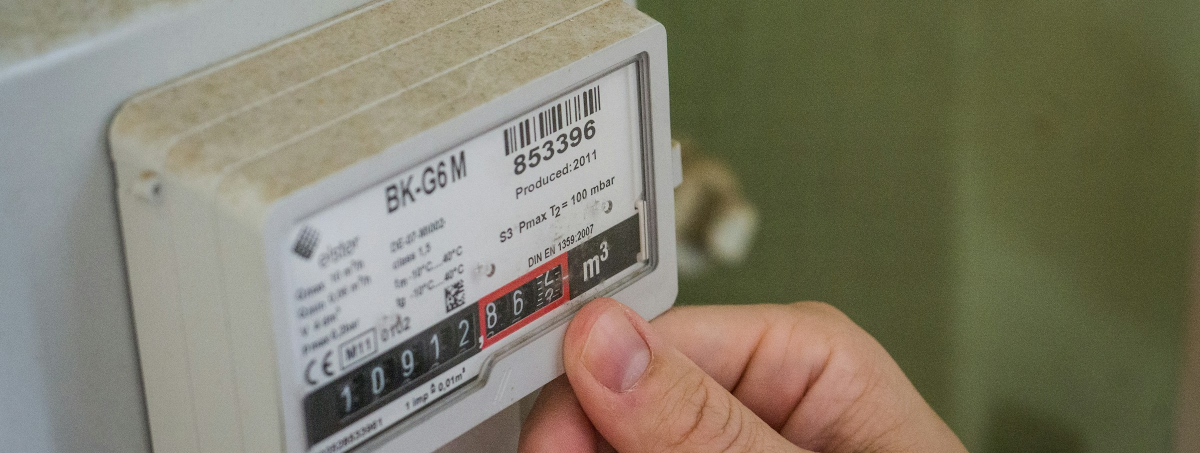
Energy affordability has become one of the most consequential business challenges across the UK and Ireland. A survey for the End Fuel Poverty Coalition finds that a third of UK adults are in energy debt or worried about falling behind, ahead of a 13% price cap rise in July. Household energy debt has doubled to £5.5 billion (approximately €6.4 billion) and could reach £7 billion (€8.1 billion) by year end, per Energy UK.
The structural causes driving this crisis, volatile fossil fuel prices and dependency on imported gas, are present in Ireland too. The Commission for Regulation of Utilities confirms more than half a million Irish households are now in energy arrears. A recent ESRI report finds 2026 energy price rises highly regressive and identifies investment in efficiency and renewables as the structural solution, not temporary credits.
The scale of the problem signals clear commercial need for solutions that reduce baseline consumption. In Ireland, disconnections are up 64% year to date in 2026. Ned Hammond, deputy director of customer policy at Energy UK, noted the problem has spiralled and cannot be fixed by industry alone. The Centre for Sustainable Energy has said the real fix is reducing energy use through efficiency investment and phasing out gas.
The commercial opportunity sits at this intersection of affordability pressure and under-investment. Ireland has a well-funded ecosystem: the SEAI One Stop Shop scheme, a record €558 million Budget 2026 allocation for residential and community upgrades, and the Warmer Homes Scheme targeting lower-income households. These represent sustained public investment in the retrofit and clean energy market that businesses are well placed to deliver at scale.
The policy direction is also strengthening. Ireland’s Climate Action Plan requires 500,000 homes upgraded to BER B2 or equivalent by 2030, alongside 400,000 heat pump installations. The Government’s LEAP framework extends the same imperative to commercial and industrial users. Businesses that help households and organisations reduce fossil fuel dependency address the root cause of the debt spiral both datasets describe.
Three priorities stand out for C-suite leaders. First, position retrofit and efficiency services as affordability solutions, since cost is the primary driver in both markets. Second, engage with the SEAI Warmer Homes and One Stop Shop pipelines to deliver at the scale the market demands. Third, develop financing products that remove upfront cost barriers, addressing the access problem the ESRI identifies as preventing households from taking efficiency action that would lower their bills.
The energy affordability challenge is large and growing, but it is also a powerful mandate for the investment the business energy sector can deliver. Organisations that build products, services, and partnerships to reduce fossil fuel dependence will lead a market whose need has never been more urgent.
(The views expressed by the writer are his/her own and do not necessarily reflect the views or positions of BusinessRiver.)







.png)

