

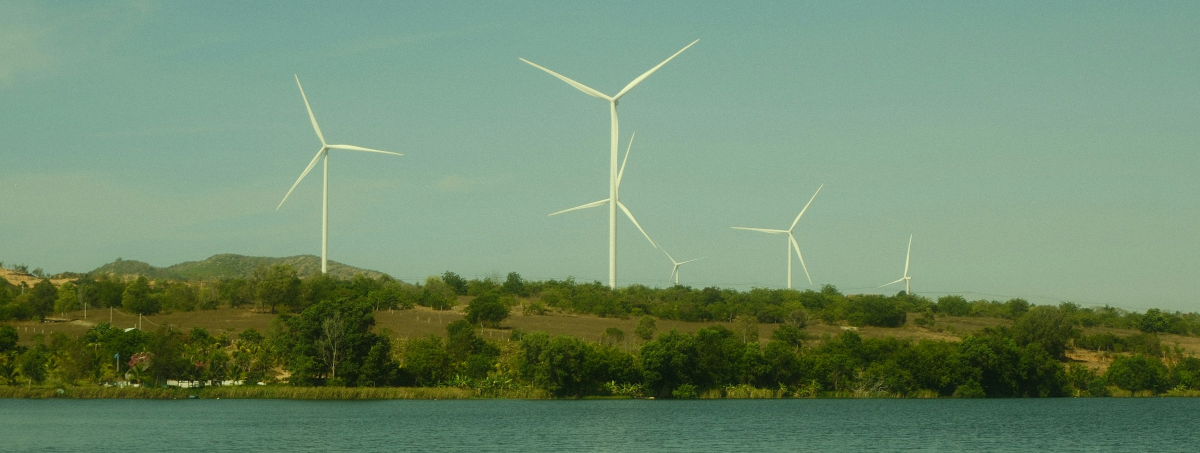
Ireland’s wind energy sector has delivered its best September on record, and the commercial implications extend well beyond the generation statistics. Wind Energy Ireland’s monthly report shows Irish wind farms generated 1,256 gigawatt-hours of electricity in September 2026, surpassing the previous September record of 1,128 GWh and representing an 11% year-on-year increase. Wind provided 37% of Ireland’s electricity demand while solar added 5%, meaning renewable energy sources together met over 42% of September’s needs.
For business energy leaders, this is more than a milestone. Renewable energy is now delivering measurable price advantages that directly affect business outcomes. The September figures confirm a pattern building throughout 2026: over one third of Ireland’s electricity in the first nine months came from wind, establishing domestic generation as a structural feature of the electricity system.
The wind energy price differential in September is the most commercially relevant number in the report. On the highest wind days, average wholesale prices fell to €142.78 per megawatt-hour. On the days most dependent on imported gas, prices reached €226.51, almost 25% above the monthly average of €182.13. That gap of almost €84 per megawatt-hour is a quantified demonstration of wind energy’s value to every Irish business on the grid, and the clearest energy costs argument available.
The geographic spread deserves attention from business energy strategists. Kerry led the September leaderboard with 131 GWh, followed by Cork with 102 GWh, Offaly with 98 GWh, Mayo with 89 GWh, and Galway with 88 GWh. This county distribution confirms that wind-related opportunities extend across the west, southwest and midlands, relevant to businesses considering power purchase agreements, on-site generation, or grid connection strategy.
Noel Cunniffe, chief executive of Wind Energy Ireland, noted that September demonstrated the value of wind in reducing Ireland’s exposure to volatile fossil fuel prices. His call for quicker grid connections, faster planning and investment in energy storage is a clear statement of what the sector needs to deliver more clean energy. Business energy leaders who build strategies around these three enablers will be aligned with both the market evidence and the policy direction.
Three priorities stand out for C-suite leaders. First, use the September price data to build renewable energy procurement cases, with the €84 per megawatt-hour wind premium providing a quantifiable return argument. Second, engage with power purchase agreements that lock in the high-wind price advantage. Third, invest in battery storage to capture value from the differential between high-wind and gas-dependent periods.
Ireland’s best September wind record is not an anomaly. It is the continuation of a structural shift in how the country generates electricity. Business energy leaders who align with the clean energy generation shift will build the most commercially durable positions in Ireland’s energy market.







.png)

