

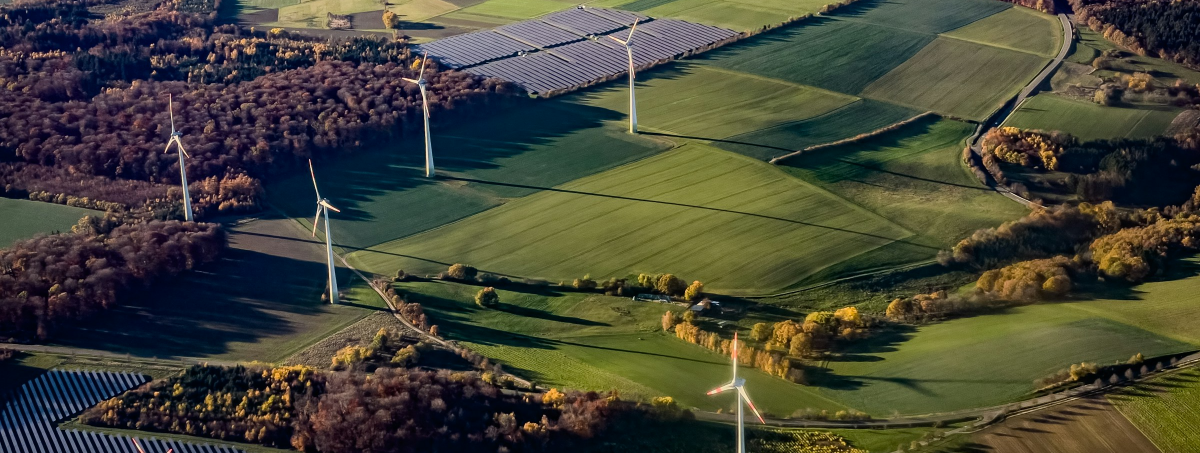
Renewable energy has moved from milestone to mainstream in Ireland’s electricity system. Provisional EirGrid figures show renewables supplied 48% of electricity in October 2026, up from 43% in September and 45% in October last year. Wind energy contributed 40% of the total, with output reaching 1,237 gigawatt-hours against 1,015 in September. For business energy leaders, the figures confirm that clean supply is now central to the Irish energy market.
The data deserves an optimistic reading, and it comes with a clear commercial brief. Demand rose and the renewable share rose with it, which is exactly the pattern a growing economy needs. Three points matter most for business energy leaders: the resilience gains in the winter outlook, the gas and import exposure that remains, and the grid limit that now sets the pace of progress.
Resilience is the first gain. Demand climbed about 8.5% to 3,101 gigawatt-hours as the colder months arrived, yet EirGrid’s winter outlook for 1 November to 4 April forecasts adequate generation capacity. It also finds the risk of system alerts from insufficient generation has fallen compared with recent years. Diarmaid Gillespie, EirGrid’s director of system operations, called the renewable contribution a positive indicator of progress towards a more sustainable grid.
The second point is the exposure that remains. Natural gas generated 38% of electricity in October and interconnectors supplied a further 13%. Those shares matter because gas-dependent days are the expensive ones: in September, wholesale prices averaged €226.51 per megawatt-hour on gas-dependent days against €142.78 on the windiest. Every hour displaced from gas by wind is therefore a potential saving for Irish business buyers.
The third point is the grid. The system can currently accommodate up to 75% renewable generation at any one time, with plans to lift that limit to 95%. Grid constraints matter commercially, because 15% of wind generation was lost in the first half of 2026 when the network could not carry it. The €18.9 billion EirGrid programme and growing energy storage capacity are the practical routes to turning that lost output into usable supply.
Three priorities stand out for C-suite leaders. First, review energy procurement strategy now, using power purchase agreements with Irish wind developers to secure a share of the lowest-cost hours. Second, pair on-site solar with storage, because storage converts surplus output into supply when demand peaks on darker winter evenings. Third, align expansion plans with grid investment, favouring sites near EirGrid’s 29 priority transmission upgrades.
Renewables now supply almost half of Irish electricity, and the trajectory points higher. Business energy leaders who convert that progress into procurement, storage and efficiency gains will cut exposure to gas-linked prices and advance decarbonisation at the same time, strengthening both margins and national resilience.







.png)

