

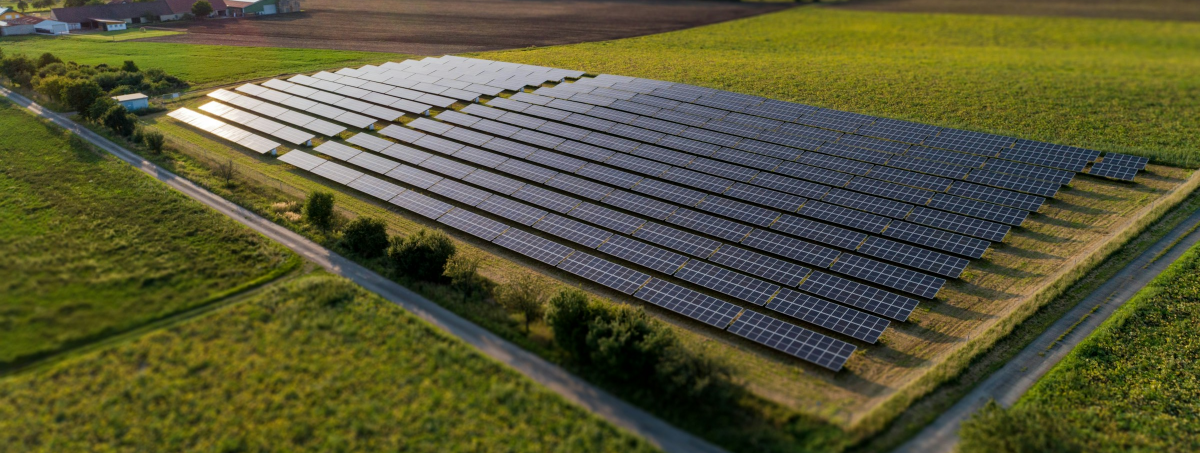
Ireland’s solar energy sector has delivered another landmark data point. EirGrid figures show grid-scale solar accounted for 9.4% of Ireland’s electricity mix in July 2026, up from 8.2% in June and 5.7% in July 2025. Boosted by last month’s heatwave, the figure reflects commercial solar farms only, with residential microgeneration adding further supply. Year-on-year growth of 65% in solar’s monthly share confirms a structural shift, not a seasonal anomaly.
For business energy leaders, this is a clear commercial signal. Solar is no longer supplementary renewable energy but a material and growing contributor. Three dimensions stand out: the rapid rise from under 6% to nearly 10% of monthly supply in twelve months; an overall renewables share that rose only marginally from 32% to 32.3%, making solar the primary driver of summer renewable growth; and import dependency jumping from 15% to nearly 24%, demonstrating the structural risk that persists.
The solar energy growth reflects clear physical momentum. July’s heatwave concentrated generation on days of highest demand, showing solar can deliver clean energy when Irish businesses need it most. EirGrid’s System Operational Manager Charlie McGee has noted that grid-scale solar reaching over 1GW of instantaneous supply is a milestone, and July’s 9.4% monthly share confirms this is now an operating baseline. Solar capacity is up almost 300% since 2023 and projected to reach 3.3GW by year-end.
The rise in import dependency from 15% to nearly 24% year-on-year directly connects solar growth to the business energy case. When renewable energy falls short, Ireland turns to imports priced on geopolitical risk. Every additional gigawatt of Irish solar reduces this exposure. EirGrid is increasing the SNSP limit from 75% to 95% by 2030 and 100% by 2035, unlocking greater capacity for renewable generation on the system.
The investment supporting this energy transition is substantial. Ireland has committed €18.9 billion to grid investment between 2026 and 2030. The 700MW Celtic Interconnector to France is due at end of 2026. These investments will reduce dispatch-down constraints and allow solar’s growing capacity to translate more directly into lower wholesale prices for Irish businesses.
Three priorities stand out for C-suite leaders. First, use EirGrid’s monthly solar data to build the internal case for on-site investment. Second, develop solar power purchase agreements giving commercial clients price certainty during summer months when clean energy peaks. Third, pair solar with battery storage to capture the value gap between peak generation and evening demand, exploiting the duck curve dynamic now visible across Ireland’s grid.
Ireland’s solar sector has moved from novelty to necessity in under three years. Business energy leaders who build strategies around this growing source of domestically generated clean electricity will be aligned with the strongest commercial current in Ireland’s energy transition.






.png)

